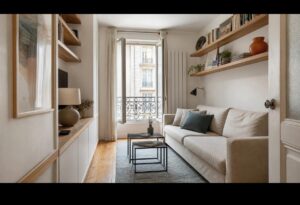
Best Space-Saving Furniture Ideas for Small Homes
Living in a small home does not mean you have to compromise on comfort, style, or functionality. With the right furniture choices, even a compact apartment can feel organised, spacious, and welcoming.
The secret is to choose furniture that makes efficient use of available space while meeting your everyday needs. From storage beds to foldable dining tables, modern space-saving furniture offers practical solutions for smaller homes.
Whether you live in a studio apartment, a compact flat, or a small family home, thoughtful furniture planning can help you create a more functional living environment.
At Furniture Base, we believe that every home deserves furniture that combines style, comfort, and smart design.
In this guide, we will explore the best space-saving furniture ideas for small homes, along with practical tips to help you make the most of every room.
1. Choose a Bed with Built-In Storage
Bedrooms often contain many belongings, including clothes, blankets, bedsheets, and seasonal items. In a small bedroom, storing these items can become challenging.
A storage bed offers a practical way to combine sleeping space with additional storage.
Popular Storage Bed Options
Hydraulic Storage Beds: These beds use a lifting mechanism to provide access to storage space beneath the mattress.
Drawer Storage Beds: Built-in drawers allow you to store bedding, clothes, and other items while keeping them easily accessible.
Compact Beds: Beds with simple frames and practical dimensions can help preserve valuable floor space.
Benefits of Storage Beds
– Make use of the space beneath the bed.
– Help reduce clutter in small bedrooms.
– Provide convenient storage for bedding and seasonal items.
– Can reduce the need for additional storage furniture.
Practical tip: Before purchasing a storage bed, measure the available space and check whether the drawers or lifting mechanism can open comfortably. Keep frequently used items accessible and avoid overloading the storage compartment.
2. Use Foldable Dining Tables
A traditional dining table can take up considerable floor space, particularly in small apartments where the living and dining areas share the same room.
A foldable or extendable dining table provides flexibility without requiring a permanent large dining area.
Types of Space-Saving Dining Tables
Wall-Mounted Folding Tables: These tables fold against the wall when they are not in use.
Drop-Leaf Tables: Hinged sections can be folded down to reduce the table’s size.
Extendable Dining Tables: These tables expand when extra seating or surface space is required.
Compact Dining Sets: Smaller tables with appropriately sized chairs can fit comfortably into limited spaces.
Why Choose a Foldable Dining Table?
A foldable dining table can provide a practical eating area while leaving more room for movement when it is not needed.
Practical tip: Measure the space required for both the table and the chairs when they are in use. Check that the table is stable and suitable for your intended daily use.
3. Select a Compact or Multifunctional Sofa
The sofa is often one of the largest pieces of furniture in a living room. Choosing the right design can make a significant difference to how spacious the room feels.
Instead of buying an oversized sofa, consider a compact model that provides sufficient seating without blocking walkways.
Sofa Ideas for Small Living Rooms
Compact Two-Seater Sofa: A useful option for smaller living rooms and apartments.
Sofa Bed: Can serve as everyday seating and provide an additional sleeping surface when needed.
Storage Ottoman: Offers extra seating or a footrest while providing space to store small belongings.
Modular Sofa: Certain modular designs can be rearranged to suit changing room layouts.
Tips for Choosing a Small-Space Sofa
– Measure the room and the sofa before purchasing.
– Choose a design that allows comfortable movement.
– Consider raised legs to create a lighter visual appearance.
– Look for practical upholstery that is easy to maintain.
– Avoid blocking doors, windows, and frequently used walkways.
Practical tip: Use masking tape on the floor to mark the sofa’s dimensions before buying it. This simple step helps you visualise how much room it will occupy.
4. Install Wall-Mounted Shelves
Floor space is especially valuable in small homes. Wall-mounted shelves allow you to store or display items without taking up much floor area.
They can be useful in living rooms, bedrooms, kitchens, study areas, and entryways.
Ways to Use Wall Shelves
Living Room: Display books, photographs, and decorative objects.
Bedroom: Store books, accessories, and small personal items.
Study Area: Organise stationery, notebooks, and frequently used supplies.
Entryway: Keep small everyday essentials organised.
Benefits of Wall-Mounted Storage
– Makes use of available vertical space.
– Helps keep frequently used items organised.
– Reduces the need for some floor-standing storage units.
– Can complement modern and minimalist interiors.
Practical tip: Choose shelves that can safely support the intended weight. Use suitable wall fixings and confirm that the wall can support the installation.
5. Choose a Wardrobe with Sliding Doors
In a small bedroom, traditional hinged wardrobe doors require additional clearance when opened. This can make furniture placement more difficult.
A sliding-door wardrobe is often a practical alternative because its doors move along tracks rather than swinging outward.
Advantages of Sliding-Door Wardrobes
– Require less clearance in front of the wardrobe doors.
– Can suit compact bedrooms and apartments.
– Are available in a variety of colours and finishes.
– Can provide substantial storage when designed efficiently.
Look for wardrobes with adjustable shelves, hanging rails, drawers, and compartments that suit your clothing and storage requirements.
Practical tip: Sliding doors do not automatically make a wardrobe smaller. Measure the wardrobe’s full depth and width, and check that you can comfortably access its interior.
6. Invest in a Wall-Mounted Study Table
Working or studying from home can be challenging when you have limited space for a separate office.
A wall-mounted or foldable study table can create a functional workspace without permanently occupying a large part of the room.
Features to Consider
– A tabletop that provides sufficient working space.
– A sturdy mounting system.
– Space for a laptop, books, and stationery.
– Nearby power access where required.
– Foldable or compact storage options.
You can pair the table with a compact chair and a wall shelf to create a practical study corner.
Practical tip: Choose a mounting system suitable for your wall type and intended load. Ensure that the table is installed securely and that the chair can be stored without blocking a walkway.
7. Use Nesting Tables and Stackable Furniture
Small homes often need furniture that can adapt to different situations. Nesting tables and stackable furniture provide flexibility without requiring a permanent large footprint.
Nesting Tables
Nesting tables are designed to fit partly or completely beneath one another. You can separate them when extra surface space is required and stack them together afterward.
They work well in living rooms, beside sofas, or in compact sitting areas.
Stackable Chairs
Stackable chairs can be stored together when they are not needed. This makes them useful for homes that occasionally accommodate extra guests.
Lightweight Side Tables
Small side tables can provide convenient surfaces for lamps, books, and drinks without taking up as much room as a large coffee table.
Practical tip: Select nesting tables and stackable chairs that are easy to move and store safely. Make sure they remain stable during everyday use.
8. Make Use of Corners and Unused Spaces
Corners and awkward spaces are often overlooked when arranging furniture. With careful planning, they can become useful areas for storage, work, or relaxation.
Smart Furniture Ideas for Unused Spaces
– A compact corner desk for working or studying.
– Corner shelves for books and decorations.
– A slim console table near an entryway.
– A narrow cabinet for small household essentials.
– A compact chair or reading nook where space allows.
Before adding furniture, consider how the space is used and whether the new piece will interfere with movement, doors, or natural light.
Practical tip: Avoid filling every empty corner simply because space is available. Leave enough open area to keep the room comfortable and uncluttered.
9. Choose Light Colours and Simple Furniture Designs
Furniture colour and design can influence how spacious a room appears.
Light finishes, clean lines, and visually simple furniture can help a small room feel more open. However, darker furniture can also work well when used thoughtfully.
Design Tips for Small Homes
Choose Coordinated Colours: Use a consistent colour palette across your furniture and walls.
Prefer Simple Shapes: Furniture with clean lines can help reduce visual clutter.
Use Mirrors Thoughtfully: Mirrors can reflect light and create a greater sense of openness.
Avoid Oversized Decorations: Large decorative objects can make a compact room feel crowded.
Maintain Clear Walkways: Leave comfortable space around furniture and frequently used entrances.
Practical tip: Focus on a few useful furniture pieces instead of filling the room with unnecessary items. A well-planned layout often makes a greater difference than buying more furniture.
10. Plan Your Furniture Layout Before Buying
Even space-saving furniture can make a room feel crowded if it is placed incorrectly.
Planning your layout before shopping can help you choose the right dimensions and avoid unnecessary purchases.
How to Plan a Small Room
1. Measure the room’s length and width.
2. Mark the location of doors, windows, and electrical outlets.
3. Identify the essential furniture pieces.
4. Measure each piece before purchasing it.
5. Plan clear walking routes between furniture.
6. Consider storage requirements and how often items will be used.
7. Leave enough space to open drawers, wardrobe doors, and foldable furniture.
You can draw a simple floor plan on paper or use a room-planning tool to test different layouts.
Practical tip: Prioritise comfort and everyday functionality. A room should not only look spacious but also be easy to use.
Common Mistakes to Avoid When Furnishing a Small Home
Choosing furniture for a small home requires careful planning. Avoid these common mistakes:
Buying Furniture Without Measuring: Large furniture can restrict movement and make a room difficult to use.
Choosing Style Over Functionality: Attractive furniture should also meet your everyday needs.
Ignoring Storage Requirements: Insufficient storage can lead to clutter.
Buying Too Many Furniture Pieces: Too many items can make a small room feel crowded.
Blocking Natural Light: Tall furniture placed in front of windows can reduce the amount of natural light entering the room.
Ignoring Assembly and Access: Large furniture may be difficult to move through narrow staircases, doorways, or corridors.
By avoiding these mistakes, you can make better furniture choices and create a more practical home.
Conclusion
Making the most of a small home starts with smart furniture choices and thoughtful planning.
Storage beds, foldable dining tables, compact sofas, wall-mounted shelves, sliding-door wardrobes, and multifunctional furniture can help you use your available space more efficiently.
Remember that you do not need to fill every corner of your home. Focus on furniture that solves a real problem, fits your room dimensions, and complements your lifestyle.
At Furniture Base, we believe that small spaces can still be comfortable, organised, and stylish with the right furniture.
Make Every Corner Count with Furniture Base
Looking for furniture that fits your home and lifestyle?
Explore practical furniture options for bedrooms, living rooms, dining areas, and study spaces. Choose designs that balance comfort, functionality, and style.
Contact Furniture Base today to discover furniture options for your home and find smart solutions for your available space.
Furniture Base — Smart Furniture for Better Living.
Leave a Reply