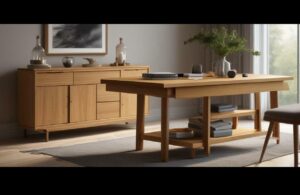
Solid Wood vs Engineered Wood Furniture: Which Is Better?
Choosing the right furniture material is an important decision when furnishing your home. The material affects the furniture’s appearance, durability, maintenance requirements, and overall cost.
Two popular options are solid wood furniture and engineered wood furniture. Both are widely used for beds, wardrobes, dining tables, cabinets, and other household furniture. However, they differ in construction, performance, and suitability for different needs.
So, when comparing solid wood vs engineered wood furniture, which option is better?
The answer depends on your budget, intended use, design preferences, and the quality of the product.
At Furniture Base, we believe that understanding your options helps you make smarter furniture-buying decisions. In this guide, we will compare both materials fairly so you can choose the right option for your home.
What Is Solid Wood Furniture?
Solid wood furniture is made from natural wood rather than wood particles or fibres bonded together to form a panel. Depending on the product, it may use different wood species, such as teak, oak, sheesham, or other hardwoods and softwoods.
Solid wood is popular for its natural grain patterns, distinctive appearance, and potential for long-term use.
Advantages of Solid Wood Furniture
1. Natural Appearance
Solid wood features natural grain patterns and variations that give each piece a distinctive character. It can suit traditional, rustic, and contemporary interiors.
2. Long-Term Durability
Well-constructed solid wood furniture can last for many years when properly maintained. Durability depends on the wood species, joinery, design, finish, and environmental conditions.
3. Repair and Refinishing Options
Depending on the finish and construction, many solid wood surfaces can be sanded, repaired, or refinished to refresh their appearance.
4. Timeless Style
Solid wood furniture can complement a variety of interior styles and remain visually appealing as home decor trends change.
Disadvantages of Solid Wood Furniture
1. Higher Initial Cost
Solid wood furniture can cost more than comparable engineered wood furniture because of material costs, manufacturing, and craftsmanship.
2. Heavy Weight
Some solid wood pieces are heavy, making transportation and rearranging more difficult.
3. Requires Proper Care
Changes in humidity and temperature can cause wood to expand, contract, or develop cracks. Suitable care and a stable indoor environment can help reduce these risks.
4. Quality Varies
Not all solid wood furniture has the same strength or construction quality. Wood species, moisture content, joints, and craftsmanship all matter.
What Is Engineered Wood Furniture?
Engineered wood is manufactured by combining wood fibres, particles, veneers, or layers using adhesives and production processes.
Common engineered wood products used in furniture include plywood, medium-density fibreboard (MDF), and particleboard.
Different products have different properties, so engineered wood should not be treated as one single material.
Common Types of Engineered Wood
Plywood: Made by bonding thin layers of wood veneer. It is often used in furniture panels and can provide good strength when appropriately specified and constructed.
MDF: Made from fine wood fibres bonded together. It provides a relatively smooth surface, making it suitable for painted finishes and decorative panels.
Particleboard: Made from wood particles bonded together. It is commonly used in budget-friendly furniture and laminated panels.
Advantages of Engineered Wood Furniture
1. Often More Affordable
Engineered wood furniture can provide attractive designs at a lower initial cost than comparable solid wood pieces.
2. Wide Variety of Designs
It is available in many colours, textures, laminates, and finishes, making it easy to coordinate with modern interiors.
3. Consistent Surface Appearance
Manufactured panels can provide uniform surfaces that work well for wardrobes, cabinets, desks, and contemporary furniture.
4. Efficient Use of Wood Resources
Some engineered wood products use smaller wood pieces, fibres, or particles that can be made into useful panels.
5. Practical for Many Applications
The right engineered wood product can perform well in wardrobes, shelves, cabinets, and other furniture when its specifications match the intended use.
Disadvantages of Engineered Wood Furniture
1. Quality Differs Between Products
The strength and durability of engineered wood depend on the panel type, thickness, density, construction, and hardware.
2. Moisture Sensitivity
Some engineered wood products, particularly standard particleboard and MDF, can swell or deteriorate when exposed to water. Moisture-resistant grades may offer better performance but are not necessarily waterproof.
3. Repairs Can Be More Difficult
Damaged, swollen, or chipped panels may be harder to repair invisibly than solid wood surfaces.
4. Hardware and Edges Need Attention
Screws, hinges, and fittings need to be properly installed. Poor-quality edges or joints can affect the furniture’s long-term performance.
Solid Wood vs Engineered Wood: Key Differences
The following comparison provides a general overview. Actual performance depends on the particular material, construction, finish, and quality.
Feature| Solid Wood| Engineered Wood
Material| Natural wood| Manufactured wood panels
Initial cost| Often higher| Often lower
Appearance| Natural grain and variation| Wide range of manufactured finishes
Durability| Can be excellent with good construction| Varies by panel type and construction
Weight| Often heavier| Varies by product
Moisture response| Can expand, contract, or crack| Some types can swell or delaminate
Repair options| Often suitable for refinishing| Depends on damage and panel type
Design options| Natural wood colours and finishes| Many colours, laminates, and textures
Best suited for| Furniture where natural wood and refinishing are priorities| Budget-conscious and contemporary furniture designs
Neither material is automatically better in every situation. A well-made engineered wood cabinet may be a better choice than a poorly constructed solid wood cabinet, and a well-built solid wood table may offer excellent long-term value.
Which Material Is Better for Different Furniture Items?
The best material often depends on how the furniture will be used.
1. Beds
Solid wood can be a good option if you prefer natural wood and a sturdy frame. However, a properly designed bed made from suitable engineered wood can also be practical.
Check the frame, joints, support system, load capacity, and hardware before buying.
2. Wardrobes
Engineered wood is widely used for wardrobes because it offers many finishes and design options at different price points.
For wardrobes, pay particular attention to panel thickness, back-panel construction, hinges, shelves, and resistance to moisture.
Solid wood wardrobes can also be a good choice if they suit your budget and preferred style.
3. Dining Tables
Solid wood dining tables are attractive for people who value natural grain and the possibility of refinishing the surface.
Engineered wood tables can be suitable for everyday use too, especially when they have a durable surface finish and a well-built frame.
Consider how frequently the table will be used and how easy it is to clean.
4. Study Tables and Office Desks
Engineered wood can offer a practical and affordable option for study tables and desks. Solid wood is another option for buyers who prefer its natural appearance.
For either material, check stability, tabletop thickness, leg construction, and the desk’s ability to support your equipment.
5. Cabinets and Storage Units
Engineered wood can be suitable for many storage applications because it offers a broad range of sizes and finishes.
For areas where moisture is a concern, such as near sinks, confirm that the panel and edge treatment are appropriate for the environment.
Which Furniture Material Is Better for Your Budget?
Your budget is an important factor, but the lowest purchase price does not always mean the best value.
Choose Solid Wood If:
– You prefer the natural appearance of real wood.
– You are willing to invest more initially.
– You value repair and refinishing options.
– You want furniture that can potentially be used for many years.
– The material and craftsmanship meet your expectations.
Choose Engineered Wood If:
– You want furniture at a more affordable initial price.
– You prefer a wide choice of colours and finishes.
– You need practical furniture for a modern home.
– You want to furnish several rooms within a limited budget.
– You have checked the panel specifications and construction quality.
Compare the total cost, including delivery, assembly, maintenance, and expected replacement needs. This gives you a more useful picture of value than price alone.
How to Choose High-Quality Furniture
Whether you choose solid wood or engineered wood, these tips can help you make a better purchasing decision.
Check the Construction
Inspect joints, corners, edges, drawer movement, hinges, and other fittings. Furniture should feel stable and be assembled properly.
Ask About the Material
Find out which wood species or engineered panel is being used. For engineered wood, ask whether the product uses plywood, MDF, particleboard, or a combination.
Check the Finish
Look for an even finish, neatly sealed edges, and no obvious damage. For furniture that may encounter moisture, check the manufacturer’s care guidance.
Consider the Intended Use
A bedroom wardrobe, dining table, and outdoor chair have different requirements. Select materials designed for the environment and expected usage.
Review the Warranty
Read the warranty terms and check what is covered, including structural issues, hardware, and surface damage.
Ask About Indoor Air Quality
If you are concerned about adhesives and emissions from engineered wood products, ask the seller about applicable formaldehyde-emission standards or product certifications.
Common Myths About Solid and Engineered Wood
Myth 1: Solid wood is always better.
Not necessarily. Solid wood can offer excellent performance, but quality depends on the species, construction, and maintenance. A well-made engineered wood product can be the more suitable choice for some applications.
Myth 2: All engineered wood furniture is low quality.
This is incorrect. Engineered wood products vary considerably. The right panel, finish, and construction can provide good performance for many everyday furniture needs.
Myth 3: Solid wood never gets damaged by moisture.
Solid wood can also be affected by humidity and water. It may swell, shrink, warp, or develop finish damage if exposed to unsuitable conditions.
Myth 4: The most expensive furniture is always the best investment.
Price alone does not determine quality. Compare construction, materials, functionality, warranty, maintenance, and suitability for your home.
Conclusion: Solid Wood or Engineered Wood?
So, which is better: solid wood or engineered wood furniture?
The right choice depends on your needs, budget, preferred appearance, and the type of furniture you are buying.
Solid wood is worth considering if you value natural grain, refinishing possibilities, and traditional craftsmanship. Engineered wood can be a practical option if you want a broad choice of finishes, contemporary designs, and a lower initial cost.
Before purchasing, compare the actual material, construction quality, finish, hardware, warranty, and maintenance requirements. These factors matter just as much as the category of wood.
At Furniture Base, our goal is to help you make informed decisions and find furniture that fits your home and lifestyle.
Find the Right Furniture for Your Home with Furniture Base
Planning to buy a new bed, wardrobe, dining table, or storage cabinet?
Explore furniture options that match your style, space, and budget. Compare materials carefully and choose pieces that offer the right balance of design, functionality, and quality.
Contact Furniture Base today to learn more about furniture options for your home and find the right fit for your needs.
Furniture Base — Smart Furniture Choices for Every Home.
Leave a Reply